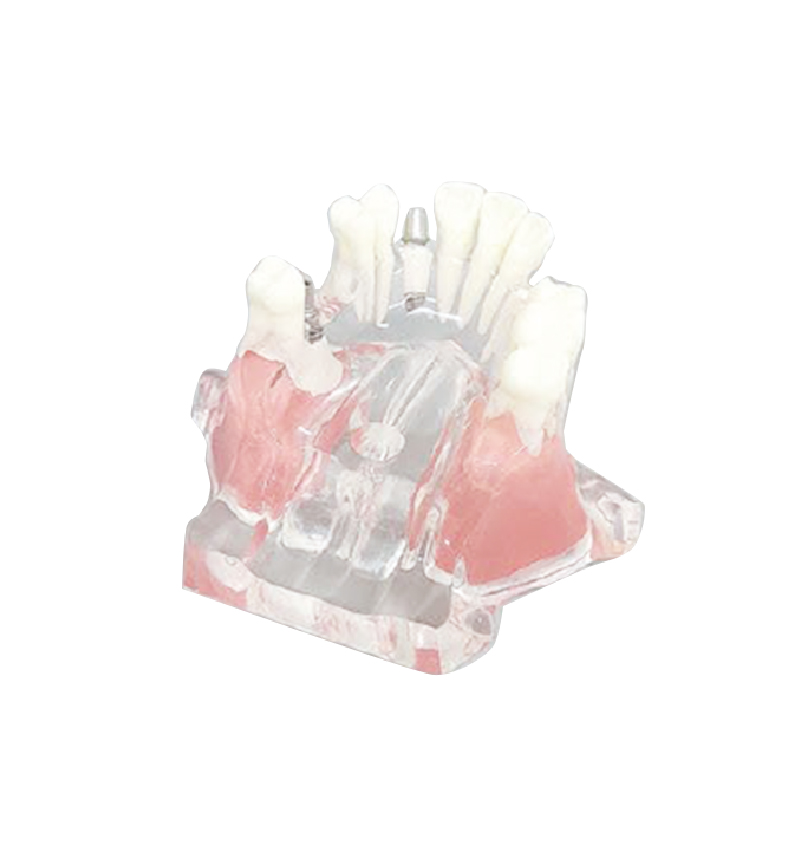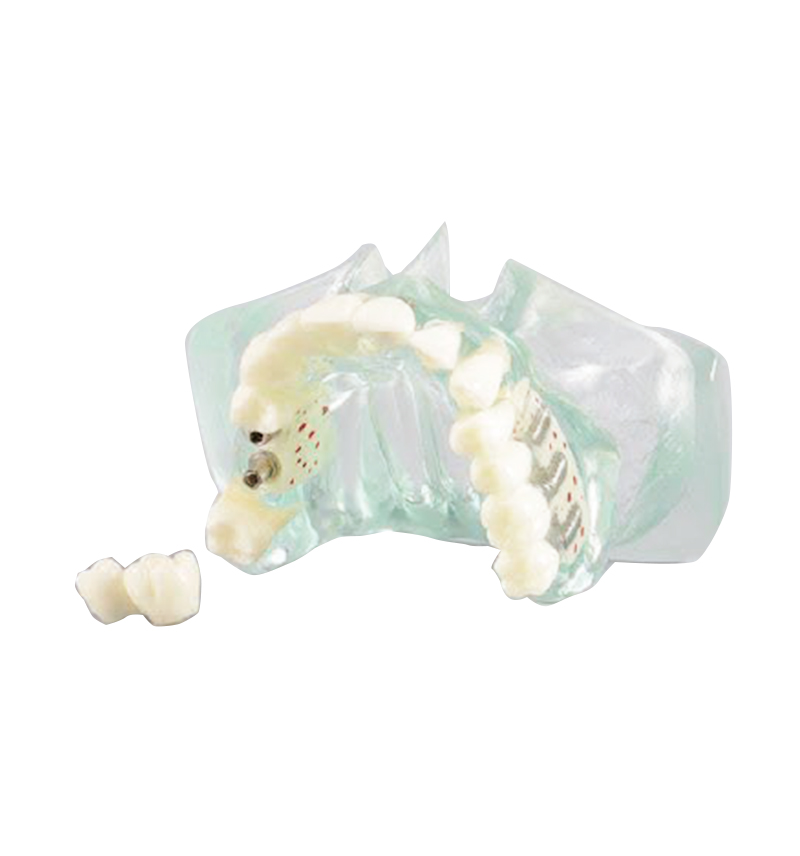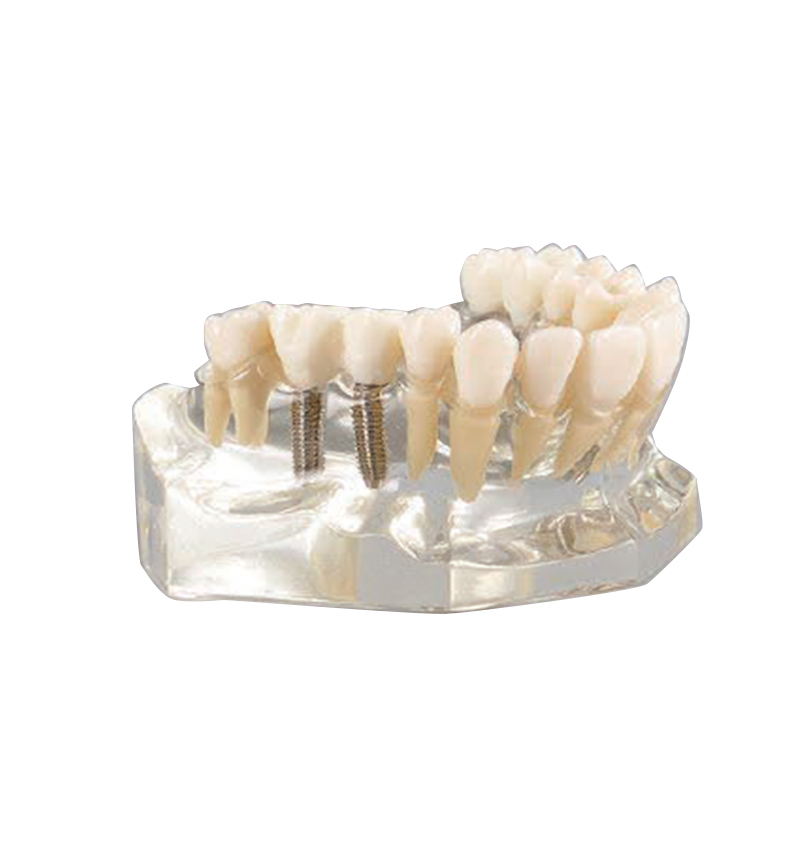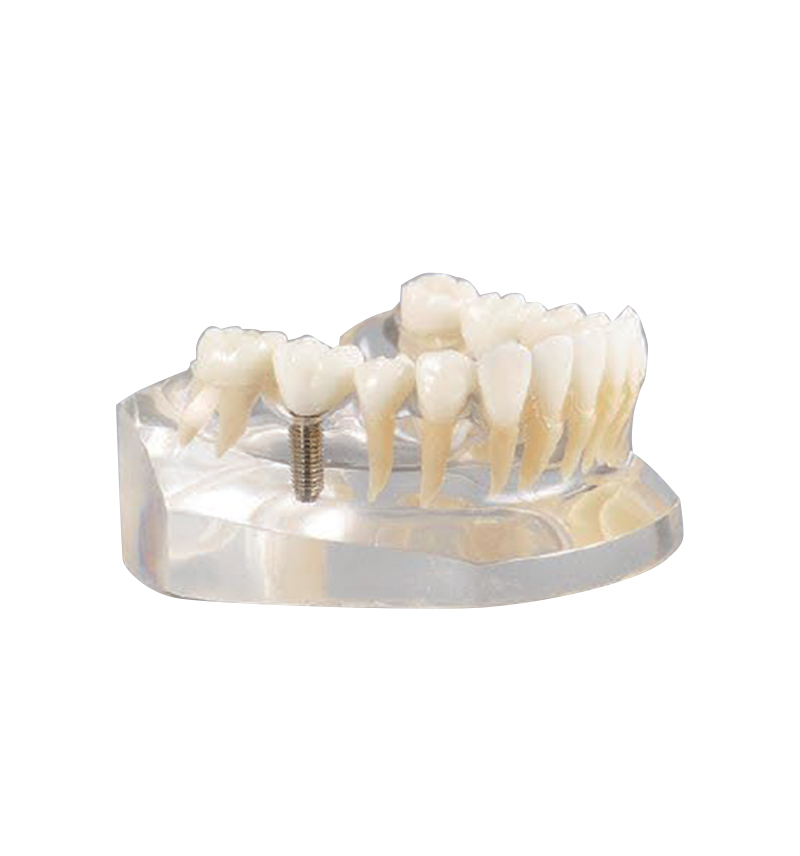

Dental implant practice models are educational tools designed to simulate selected jaw structures and support implant-related training. Depending on the model, features may include anatomical jaw forms, simulated bone, soft gingiva, or removable dental components. These variations allow dental students and professionals to practise specific procedures or demonstrate implant structures in a controlled learning environment.
This category covers models for implant site preparation, incision, implant placement, suturing and doctor–patient explanation. Each model has its own structure and function set, so check the individual product page before choosing. Dental schools, implant training centres, clinics and medical-equipment distributors are the main buyers of these models. Need a configuration that is not listed? Send your requirement to our team.
A dental implant practice model is not intended for implantation into human tissue and does not reproduce biological healing or osseointegration. Its purpose is to demonstrate anatomical structures and support hands-on training with simulated components. A clinical implant fixture is placed into living bone; the model only reproduces the surroundings in which that procedure is learned.
Dental implant practice models let a learner repeat a defined step without a patient — for example implant site preparation, implant placement or suturing. They are selected by teaching objective rather than by the clinical implant system they resemble, so confirm which structures and components are included before you order. Unlike a clinical fixture, a teaching model has no healing function: it is a reusable aid for practising anatomy and procedure steps in a controlled environment, and the same model can be used across many learner groups.
This section describes the structures a model can include. Which features are present depends on the specific item.
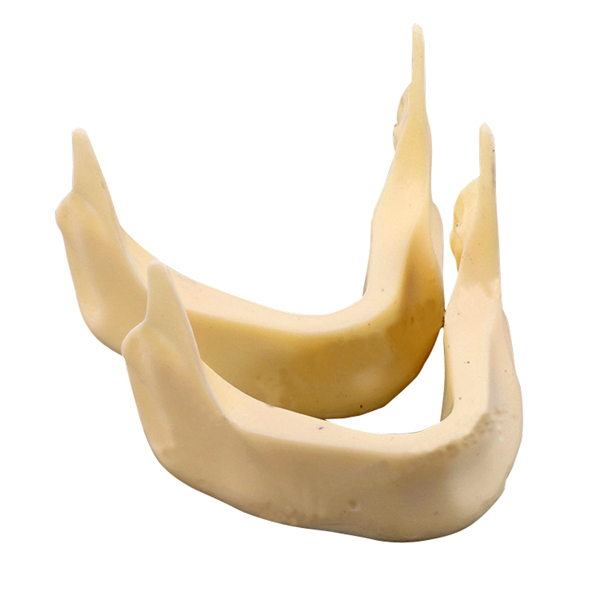
UM-Z2022 reproduces an edentulous mandible with simulated bone. Jaw form, ridge shape and bone width differ by model — verify the anatomy on the product page.
UM-Z12 features simulated cancellous bone and soft gingiva for implant placement practice. UM-Z2 is offered with soft gingiva or a gingiva-free version.
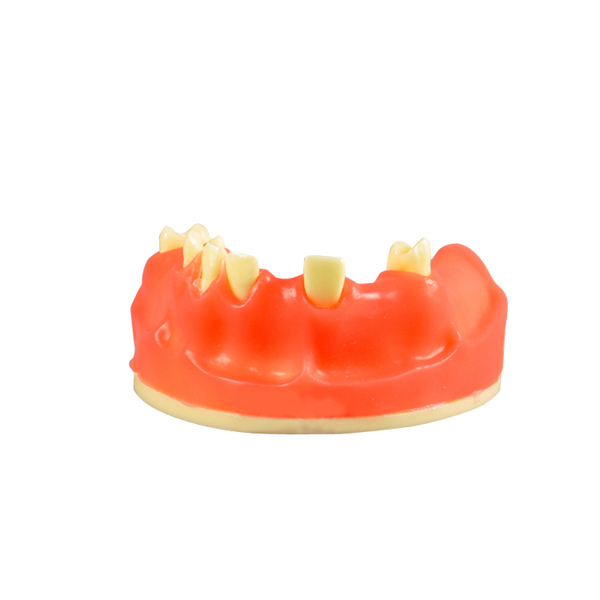
UM-Z2026 and the UM-Z2024 upper jaw model are partially edentulous models used to practise incision, implant placement and suturing. UM-Z2022 is a gingiva-free jaw for implant site preparation and drilling.
Dental implant practice models are available in different structural configurations to support specific training and demonstration needs. The categories below highlight common features found across the UMGROUP range; they describe typical use rather than a strict, mutually exclusive classification.
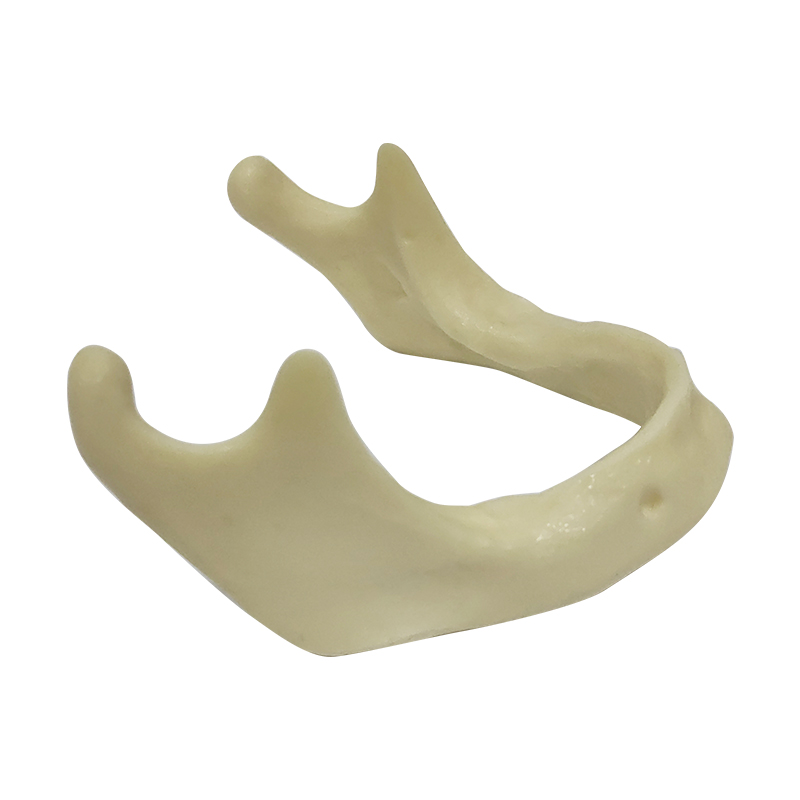
Gingiva-free jaw models designed for practising implant site preparation and drilling techniques. Suited to basic training where soft tissue is not involved.
View model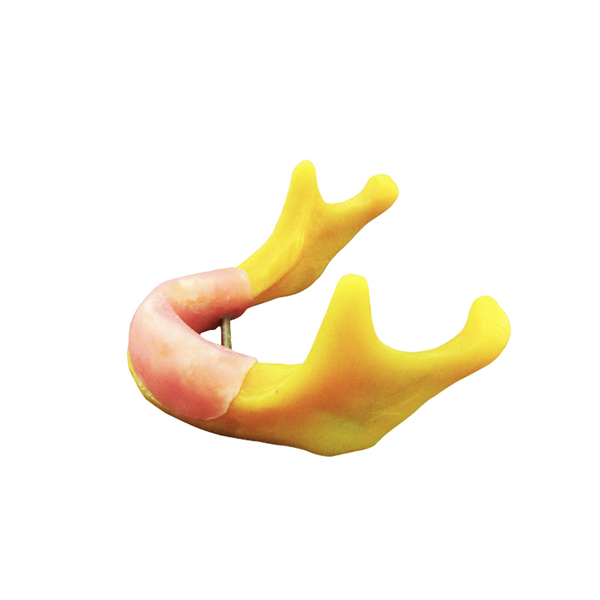
Models with soft gingiva for incision and suturing exercises. Choose these when soft-tissue handling is part of the training goal.
View model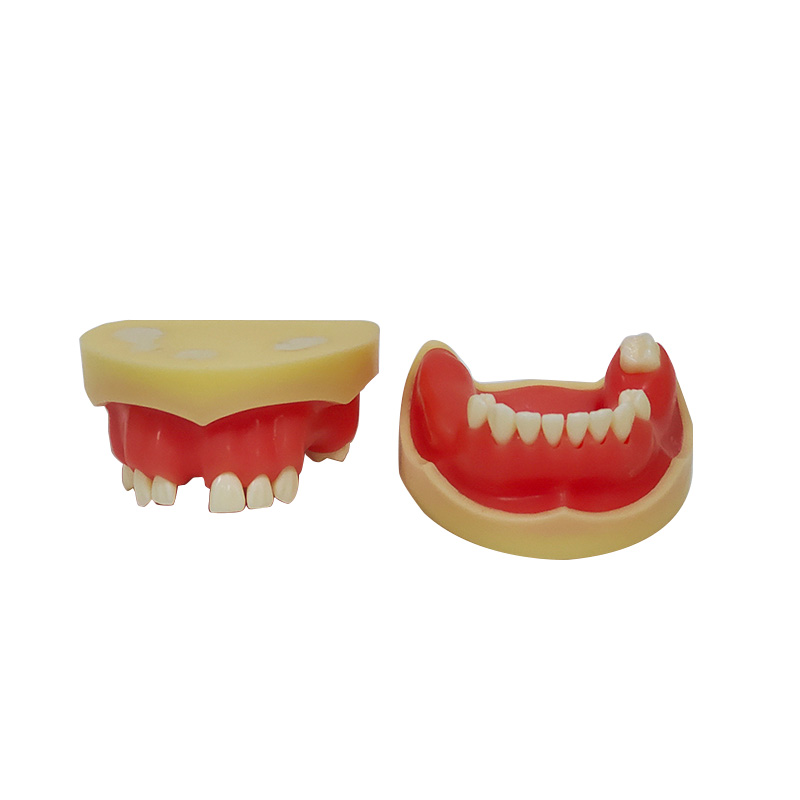
Partially edentulous jaws with simulated bone for a more lifelike feel. Used where placement in an anatomical ridge must be demonstrated.
View model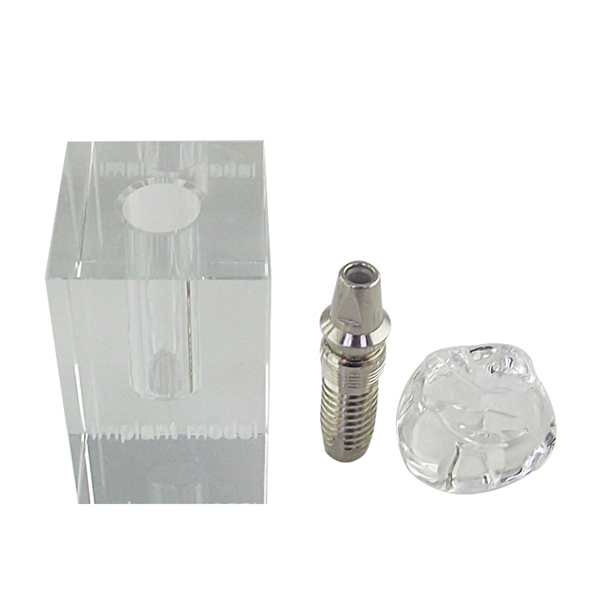
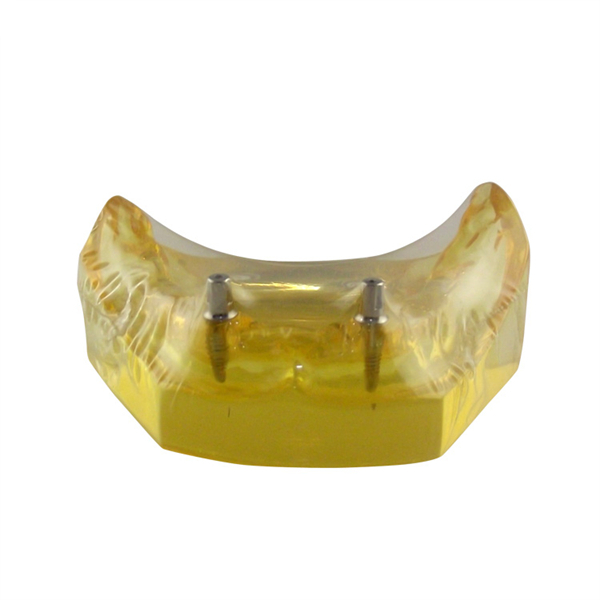
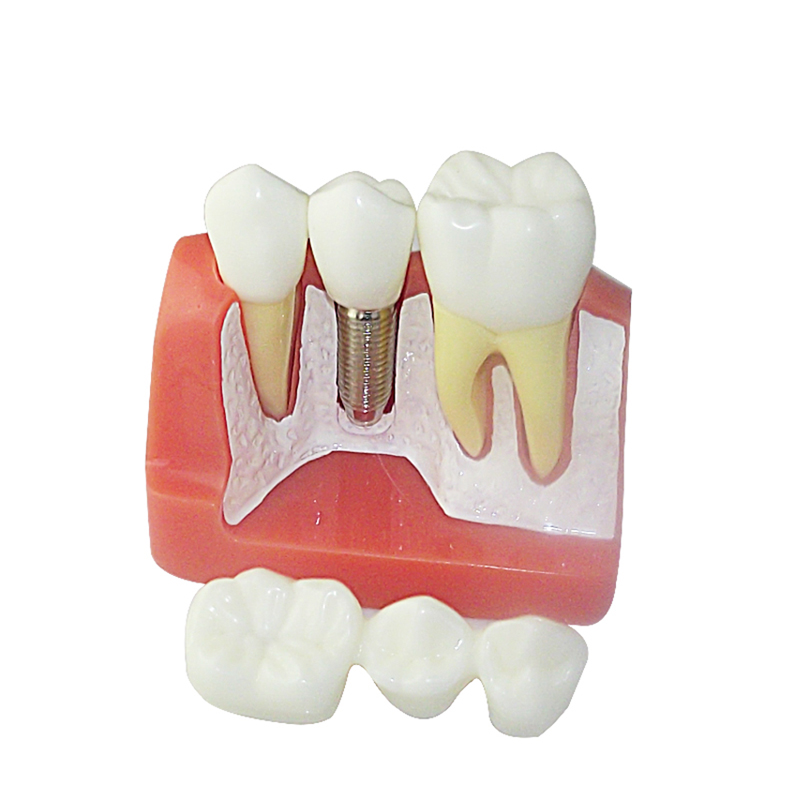
Clear bases with a visible implant–abutment connection, used for teaching and patient communication rather than drilling practice.
View modelThese configurations can overlap — an anatomical jaw model may also include soft gingiva. Check the product page for the actual structure and confirm the build with the factory before ordering.
| Model | Structure | Main use |
|---|---|---|
| UM-Z2026 | Partially edentulous anatomical jaw | Incision, implant, suture |
| UM-Z2024 | Upper jaw, partially edentulous | Incision, implant, suture |
| UM-Z2022 | Gingiva-free edentulous mandible | Implant site preparation, drilling |
| UM-Z12 | Simulated cancellous bone, soft gingiva | Implant placement |
| UM-Z9 | Transparent model with simulated bone | Anatomy and restoration demonstration |
| UM-Z3 | Transparent crystal base, implant–abutment connection | Implant structure demonstration |
| UM-Z1 | Implant model with detachable crown | Doctor–patient communication |
Structures and uses are taken from the published product descriptions and are meant as a first filter. Open a product page to confirm the configuration before specifying a model for teaching or demonstration. The full range of implant models is shown in the product grid above; if a model you need is not listed, or you are unsure which configuration fits your procedure, contact our team with the training objective and we will help you compare options.



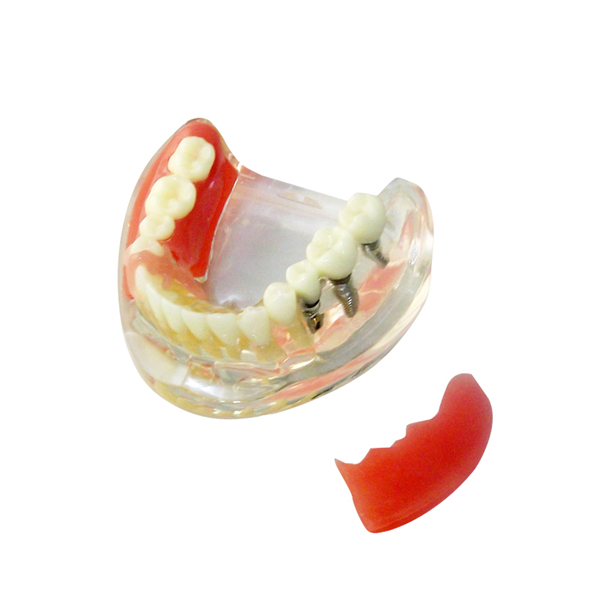
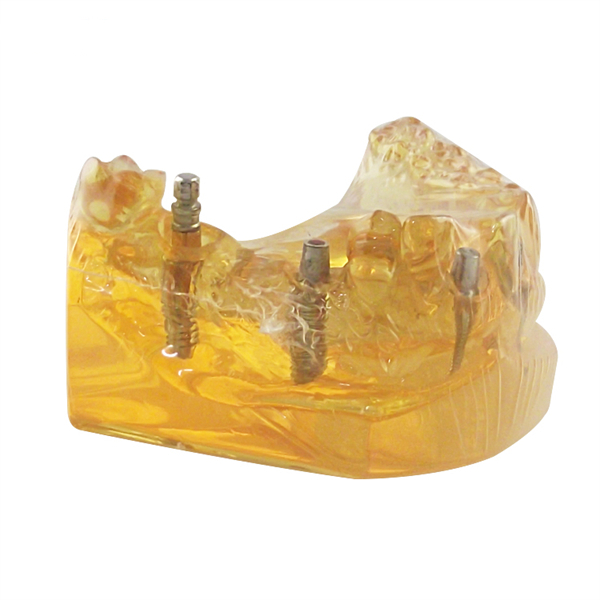
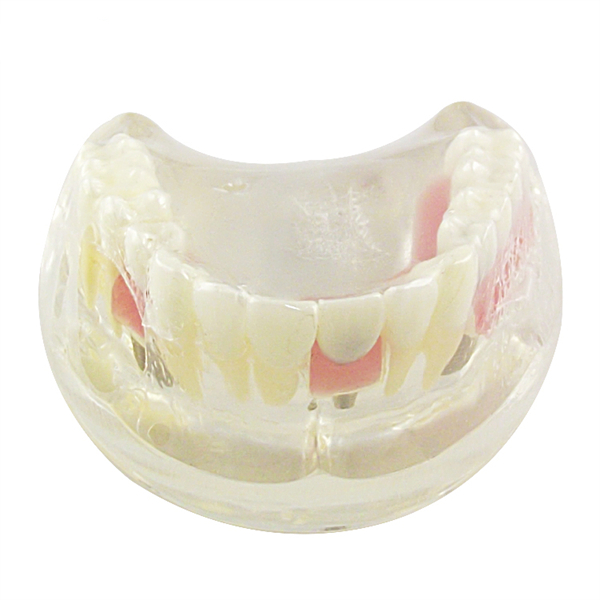
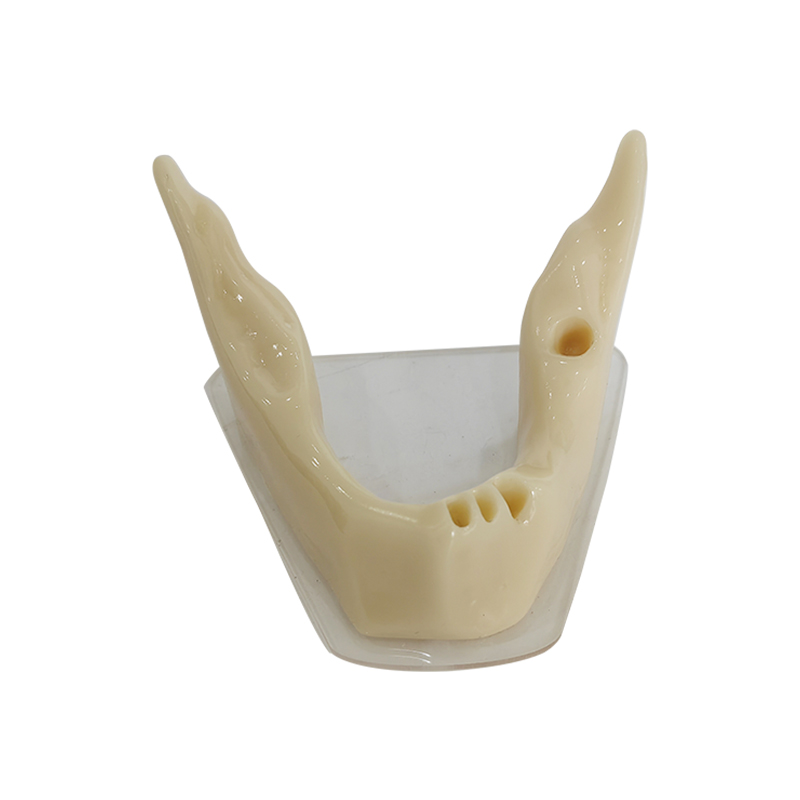
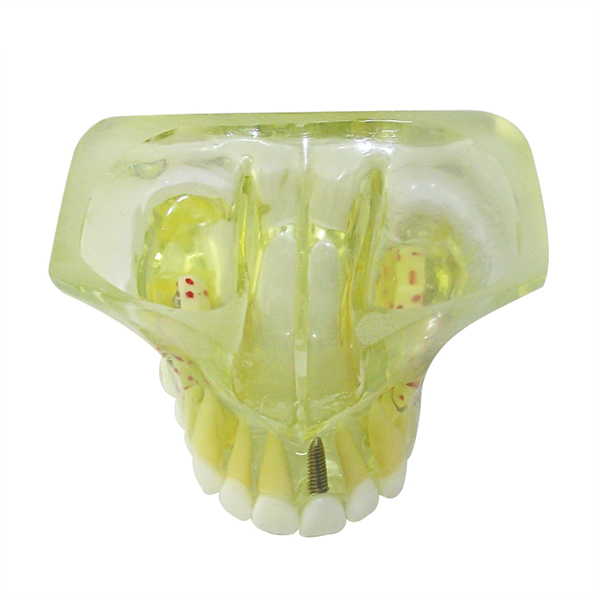
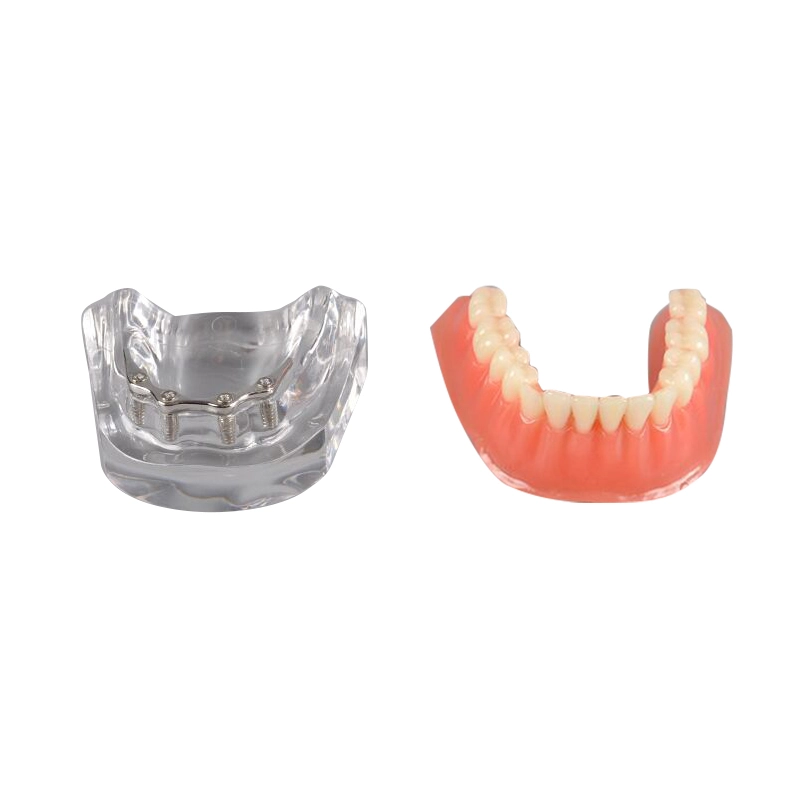
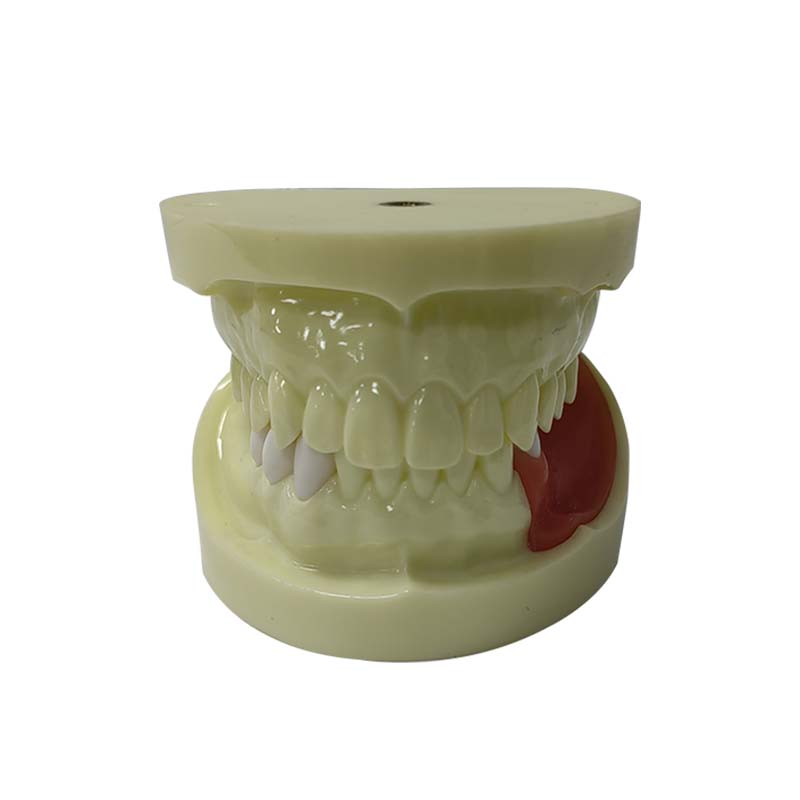

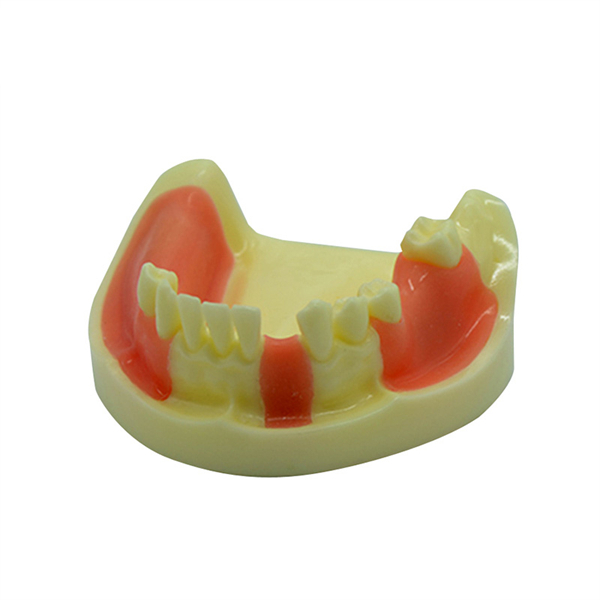
The tables and models above show the available configurations. This part of the page looks at who uses dental implant practice models and in which setting. If you are comparing products for a purchase, the parameters to check are listed in the next section.
Dental schools and simulation labs use these models to introduce jaw anatomy and basic implant procedures to students before supervised clinical practice.
Training centres and clinics use a dental implant surgical training model in hands-on workshops, repeating a procedure on the same anatomy to build consistent technique.
Transparent and anatomical models are used in continuing-education workshops to show implant position, abutment connection and restoration relationships.
Dental implant patient education models such as UM-Z1 help clinics explain a treatment plan in a visible, simple way.
Use the training objective as the starting point, then check the product parameters below. These four questions narrow the range quickly.
Some training programmes may use more than one model to cover different procedures and demonstration requirements. Start with the step your learners repeat most often, then add other configurations as the course develops.
Model functions vary by item. Confirm the configuration on the product page before you specify a dental implant practice model for a course, a tender or a distribution catalogue.
Tangshan UMG Medical Instrument Co., Ltd. develops, produces and sells dental simulation systems, dental models and related medical products. Buyers work with us for three reasons.
From gingiva-free drilling jaws to soft-gingiva, anatomical and transparent demonstration models, the range covers several training levels from one supplier.
An in-house R&D and technical team supports dental simulation systems and dental models. See the factory show and company profile.
Product information and after-sale support are available through the services and after-sale channels, so buyers can review documents before ordering.

Tell us the procedure you teach, the jaw anatomy you need and whether soft gingiva or a transparent section is required. We will suggest a configuration and send specifications with a quotation.
Email info@umgroupen.com or exportone@umgroupen.com · Tangshan UMG Medical Instrument Co., Ltd., No.130-13 Huoju Road, High-tech District, Tangshan, Hebei, China.
If you already have a model number, include it with your enquiry to speed up the reply. Prices, minimum order quantity, lead time and custom options are not published here — confirm them with the factory together with the configuration and any required documentation.
No. They are teaching and demonstration aids for training environments, not devices placed into a patient's jaw. A model demonstrates anatomy and supports hands-on practice with simulated components; it does not reproduce biological healing.
Check the jaw type, missing-tooth positions, whether bone and gingiva are simulated, and which components are included. Functions vary by item, so confirm the configuration on the product page before placing an order.
Custom configurations and model combinations are not listed on this page. Send your training objective and target quantity to our team, and confirm availability and lead time with the factory.