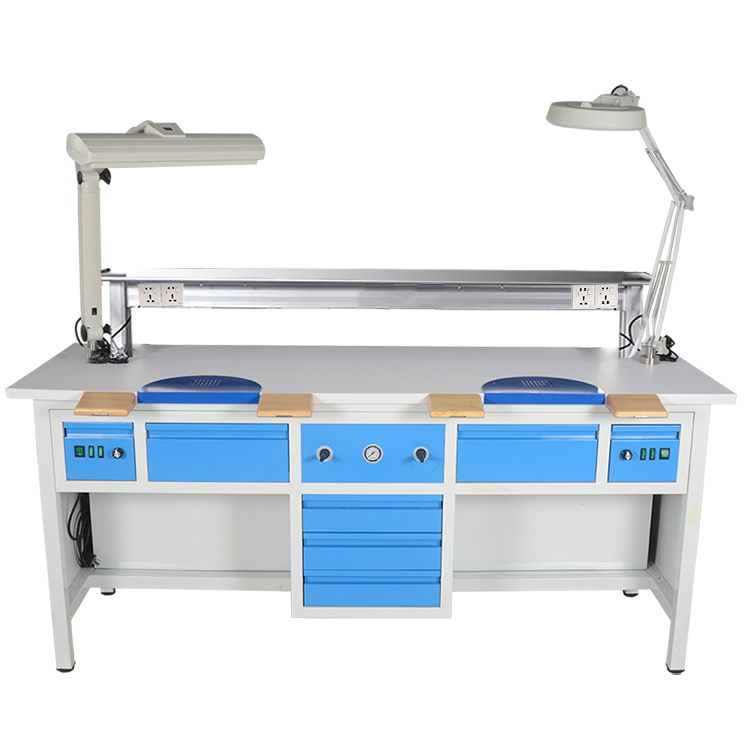

Dental burs are essential rotary instruments used for cutting, shaping, preparing, finishing, and polishing dental materials. They come in different materials, shapes, sizes, and shank types, with each design suited to particular dental procedures and working requirements.
Understanding the different types of dental burs can help dental professionals identify suitable instruments and help distributors or wholesale buyers compare product specifications. This guide explains common dental bur names, shapes, pictures, and uses, together with practical information for selecting and sourcing dental burs.
The material of a dental bur affects its cutting mechanism, durability, surface finish, and suitable applications. The following categories include common dental cutting instruments as well as related polishing and milling tools.
Diamond dental burs feature a working surface coated with abrasive diamond particles. They are commonly used for tooth preparation, reduction, contouring, and finishing hard dental structures and restorative materials.
Diamond burs are available in various head shapes and grit levels. Coarser grits are generally selected for material reduction, while finer grits are often used for finishing and surface refinement.
UMGROUP Dental Diamond Burs combine diamond-coated working surfaces with stainless steel shanks. Their product information includes ISO-based grit and color references for identifying different grades.


Common applications: Crown preparation, tooth reduction, restorative contouring, and finishing.
Tungsten carbide dental burs use precision cutting flutes instead of an abrasive coating. Their hard cutting edges are suitable for a wide range of dental cutting, preparation, and finishing applications.
Common designs include round, pear-shaped, straight fissure, and tapered fissure burs. The number and geometry of the flutes influence how each bur cuts and the finish it produces.
UMGROUP offers dental carbide burs made using micro-grain tungsten carbide material, with multiple shapes and cutting designs available.


Common applications: Caries removal, cavity preparation, restorative material cutting, and finishing, depending on the bur design.
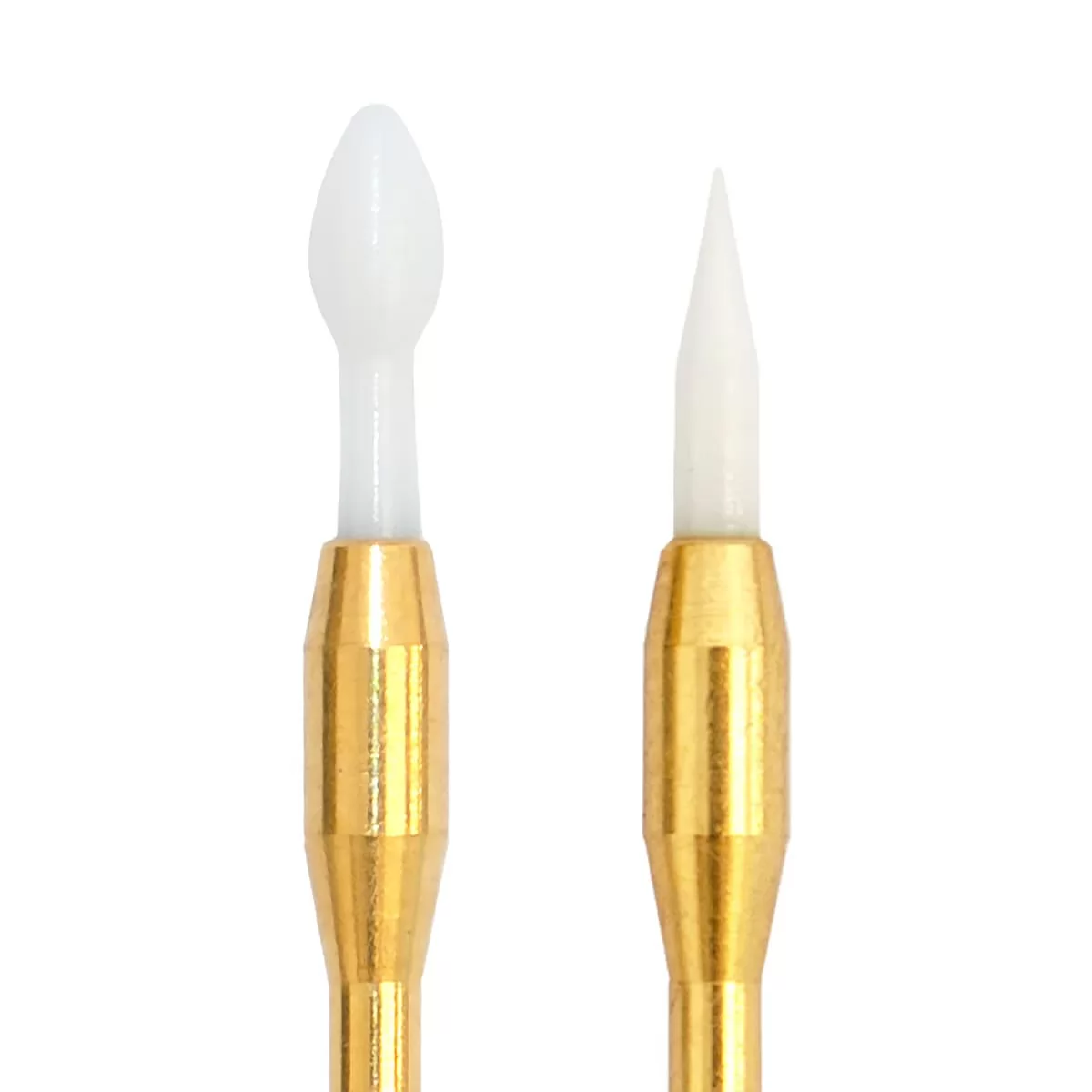
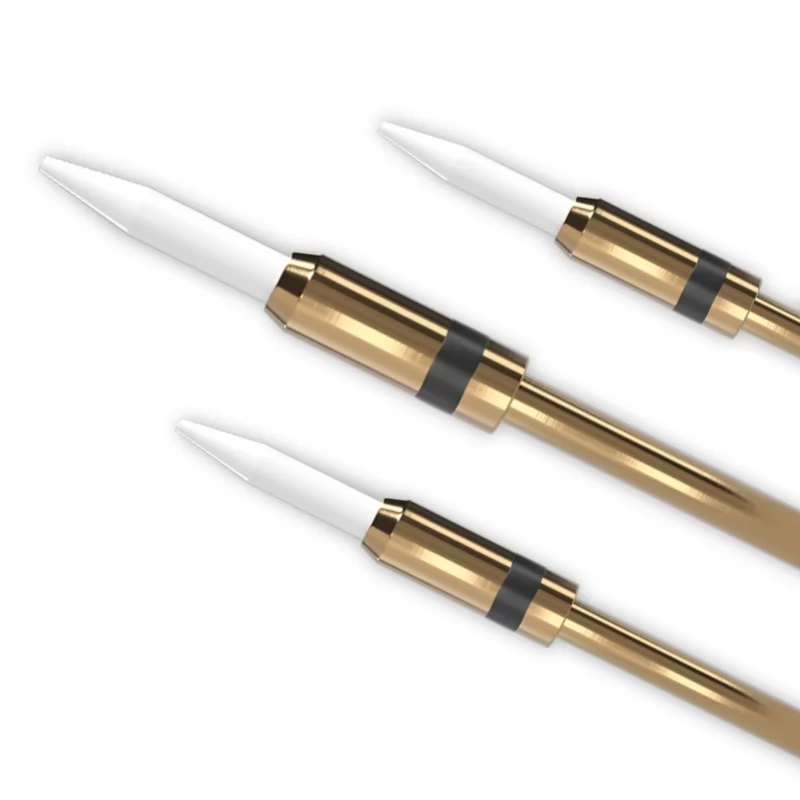
Ceramic burs are specialized rotary instruments manufactured with ceramic working components. They are used for selected dental or laboratory procedures depending on the specific product design.
Unlike diamond and carbide burs, ceramic burs should not be considered interchangeable with every conventional cutting instrument. Buyers should check the intended material, application, handpiece compatibility, and manufacturer's instructions.
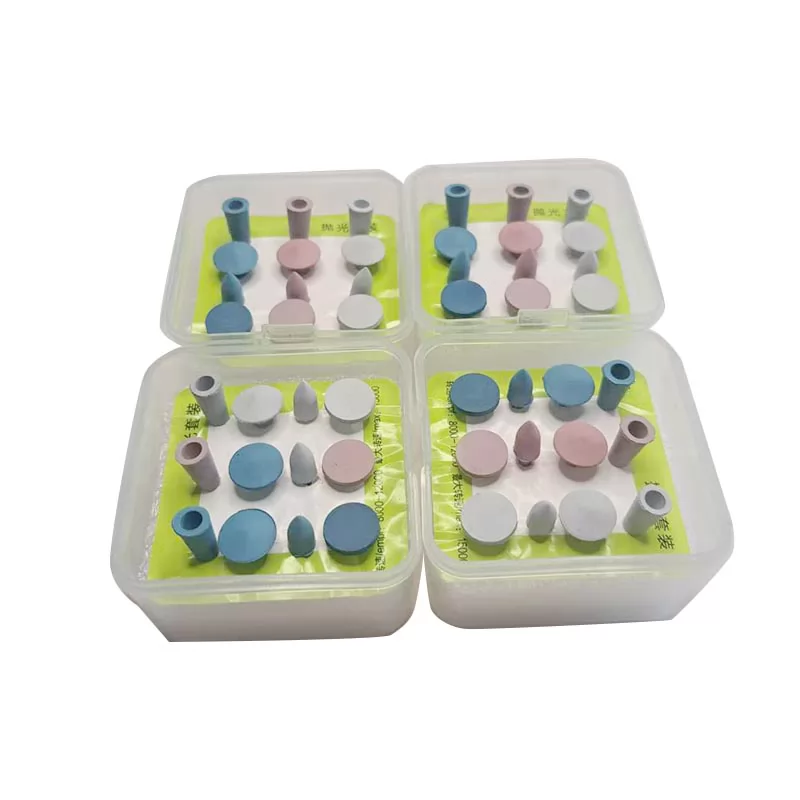
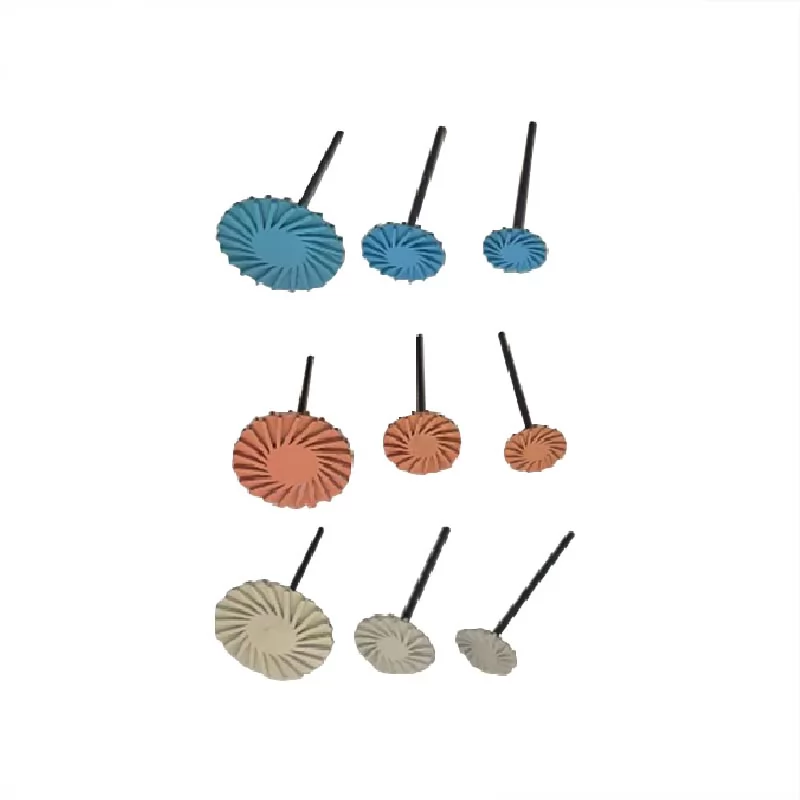
Dental polishing burs and rotary polishers are designed primarily for finishing, smoothing, and polishing dental surfaces rather than aggressive material removal.
Depending on their composition and shape, they may be used with suitable restorative materials or laboratory workpieces. Different polishing stages may require different abrasiveness levels to obtain the desired surface finish.
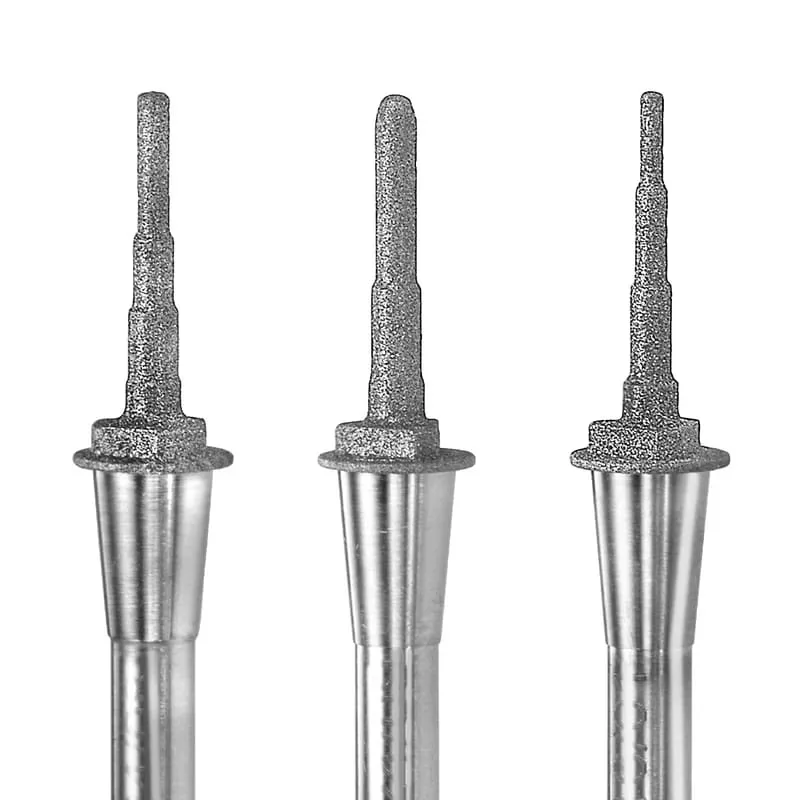
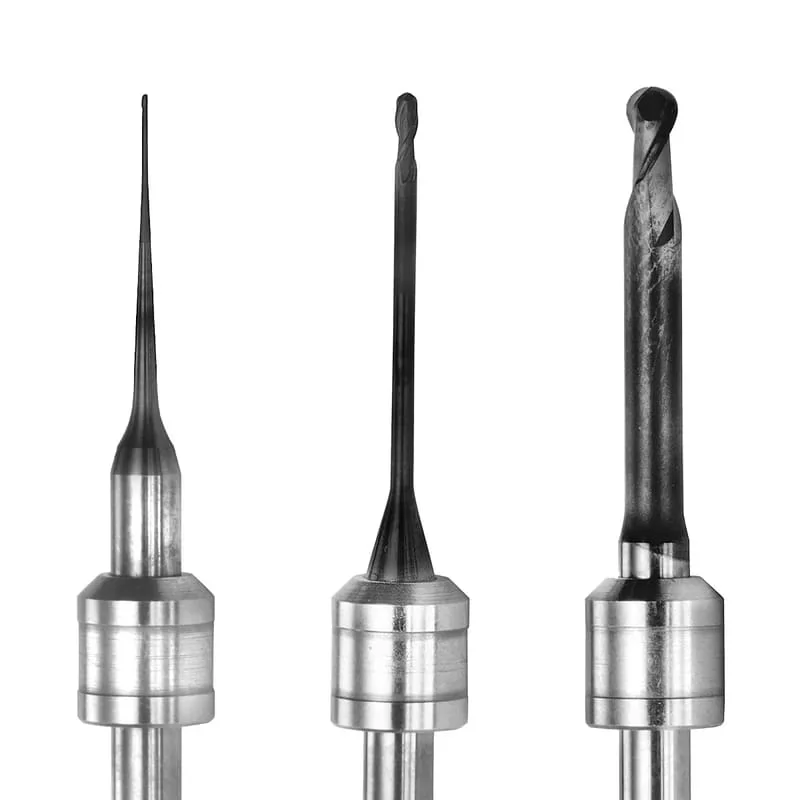
Dental milling burs are designed for use with compatible CAD/CAM milling machines. They are used to process materials such as zirconia, PMMA, wax, and other dental materials, depending on the tool and milling system.
Unlike conventional chairside burs, milling burs must match specific machine interfaces, tool dimensions, and processing requirements. Buyers should confirm machine compatibility before ordering.
Looking for dental diamond burs, carbide burs, polishing instruments, or dental bur kits? Browse UMGROUP's dental bur range to compare available product categories and models.
Besides material, the shape of the working head is one of the most useful characteristics for identifying a dental bur. Different geometries are designed for different cutting areas, preparation profiles, and finishing requirements.
Round burs feature a spherical cutting head. They are commonly used for localized cutting, caries removal, and access preparation, depending on the material and instrument design.
Typical use: Caries removal and localized tooth preparation.
Pear-shaped burs have a rounded cutting end and a narrower section toward the shank. The 330 bur is a widely recognized example commonly associated with cavity preparation.
Typical use: Cavity preparation and internal shaping.
Inverted cone burs have a wider working end and a relatively flat cutting surface. Their geometry can be useful for preparing certain internal surfaces and features.
Typical use: Selected internal cavity preparation features.
Tapered fissure burs feature an elongated cutting head that gradually changes in diameter. They are available in diamond and carbide designs and are frequently associated with controlled reduction and preparation of defined walls.
Typical use: Crown preparation, tooth reduction, and shaping.
Flame-shaped burs have a slim, curved working head that narrows toward the tip. Their geometry makes them useful for contouring and finishing selected areas that are difficult to reach with broader burs.
Typical use: Detailed contouring and finishing.
Football- or egg-shaped burs have a broad, rounded working profile. They are commonly associated with contouring and reduction of curved surfaces.
Typical use: Curved-surface reduction and occlusal contouring.
Wheel burs feature a disc-like cutting head. Their geometry provides a broader cutting area for selected reduction and shaping tasks where this working profile is appropriate.
Typical use: Specific reduction and contouring procedures.
Cylinder burs have a straight-sided working head and are used where relatively uniform cutting or finishing is needed. Both the working material and the cutting design affect their performance.
Typical use: Flat-surface preparation, shaping, and finishing.
The following comparison summarizes common dental bur shapes and their typical applications. Actual product selection depends on the procedure and the detailed instrument specification.
| Dental Bur Shape | Working Head | Common Applications |
|---|---|---|
| Round | Spherical | Caries removal and localized cutting |
| Pear | Rounded, tapered | Cavity preparation |
| Inverted Cone | Wider flat end | Internal preparation features |
| Tapered Fissure | Elongated, tapered | Crown preparation and tooth reduction |
| Flame | Slim, curved, pointed | Contouring and finishing |
| Football / Egg | Broad, oval | Curved-surface reduction |
| Wheel | Disc-shaped | Selected shaping and reduction |
| Cylinder | Straight-sided | Uniform reduction and finishing |
A dental bur must fit the handpiece or equipment in which it will be used. Three commonly identified shank types are FG, RA, and HP.
| Shank Type | Full Name | Common Compatibility |
|---|---|---|
| FG | Friction Grip | Compatible high-speed dental handpieces |
| RA | Right Angle / Latch Type | Compatible contra-angle handpieces |
| HP | Handpiece / Straight Shank | Compatible straight handpieces and laboratory systems |
Even when two burs have similar working heads, they may not be interchangeable if their shank configurations differ. Always verify compatibility with the manufacturer's specifications.
When comparing dental burs, checking the following characteristics can help identify the correct instrument:
Diamond burs are commonly available in different grit grades. Coarse grades are generally associated with material reduction, while finer grades are associated with finishing. The exact color identification and grit designation should be checked against the supplier's product chart.
For example, UMGROUP provides ISO-based grit references for its diamond burs. Buyers ordering replacement burs or mixed assortments should provide the required model and grit designation to avoid confusion.
Different dental procedures call for different cutting and finishing characteristics. The examples below are general references and should not replace clinical judgment or the manufacturer's instructions.
| Application | Common Bur Selection |
|---|---|
| Caries removal | Round carbide bur |
| Cavity preparation | Round or pear-shaped bur |
| Crown preparation | Suitable tapered diamond bur |
| Restorative contouring | Flame, tapered, or finishing bur |
| Surface polishing | Compatible polishing instrument |
| Dental laboratory milling | CAD/CAM milling bur matched to the machine and material |
For dental distributors, procurement teams, and wholesale buyers, selecting dental burs involves more than identifying the correct shape. A consistent purchasing process helps ensure that the products match the intended applications and equipment.
A supplier offering different materials, shapes, and shank types may help buyers consolidate purchasing requirements. UMGROUP lists dental diamond burs, carbide burs, diamond bur kits, and polishing-related rotary instruments within its broader dental product range.
Buyers should confirm the exact model codes, working head diameters, overall dimensions, and grit or flute designs. For repeat purchasing, consistent model identification can help reduce ordering errors.
FG, RA, and HP burs serve different equipment configurations. Dental CAD/CAM milling burs may have additional machine-specific requirements. Compatibility should be confirmed before ordering.
Depending on the purchasing application, buyers may need individual burs, assorted kits, or specific model combinations. Packaging quantities, kit contents, and available configurations should be confirmed with the supplier.
For professional distribution, buyers should request relevant product specifications, labeling information, applicable documentation, and purchasing terms for the selected items and destination market.
Common categories include diamond burs and tungsten carbide burs, which are available in various shapes and sizes. Other related instruments include ceramic burs, dental polishing instruments, and CAD/CAM milling burs.
Diamond burs use abrasive diamond particles on the working surface, while carbide burs use cutting flutes. Their suitability depends on the material being worked on, the procedure, and the required surface finish.
Tapered and other appropriately shaped diamond burs are commonly used in crown preparation. The exact shape, size, and grit depend on the preparation design and clinical requirements.
No. These shank types are intended for different handpiece configurations. Buyers should select burs that match the specifications of their equipment.
Yes. Some suppliers offer procedure-oriented assortments. For example, UMGROUP lists dental diamond bur kits with different model combinations for selected preparation and finishing tasks.
Buyers can provide the required material, shapes, product codes, shank types, quantities, and destination market. Supplying these details helps the supplier assess availability and suitable configurations.
Understanding the types of dental burs by material, shape, and shank makes it easier to recognize different instruments and compare their applications. Diamond and carbide burs remain important categories, while polishing and milling instruments support more specialized tasks.
For dental professionals, the appropriate bur depends on the procedure and equipment. For wholesale buyers, consistent specifications, appropriate product assortments, and compatibility information are equally important when choosing a supplier.
UMGROUP supplies a range of dental diamond burs, carbide burs, rotary instruments, and dental bur kits. Contact our team with your product specifications and estimated order quantity to discuss available options and request a quotation.
For a faster product discussion, include your preferred bur types, models, quantities, and destination market.