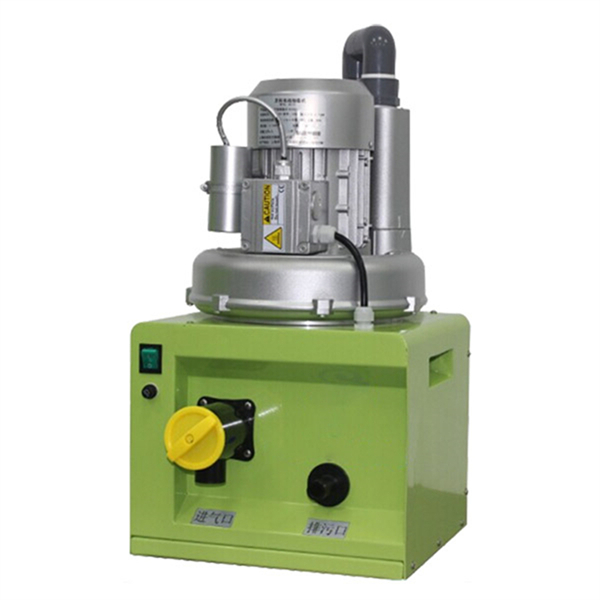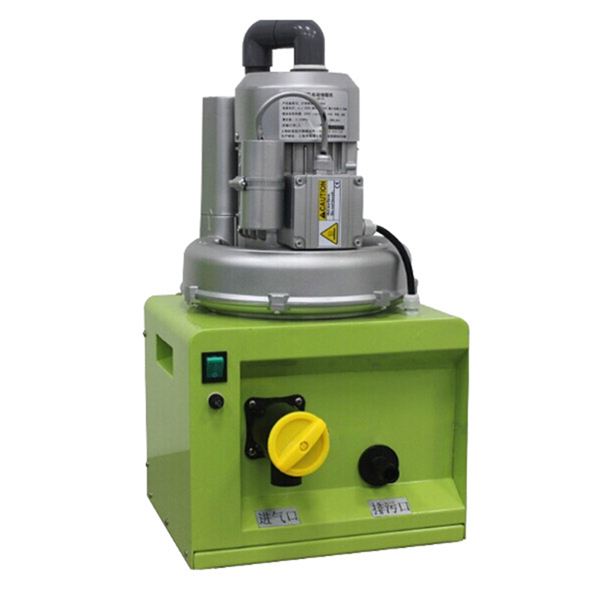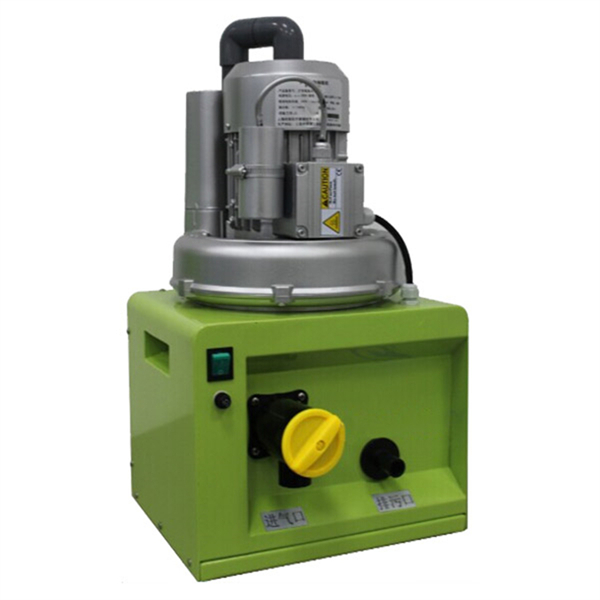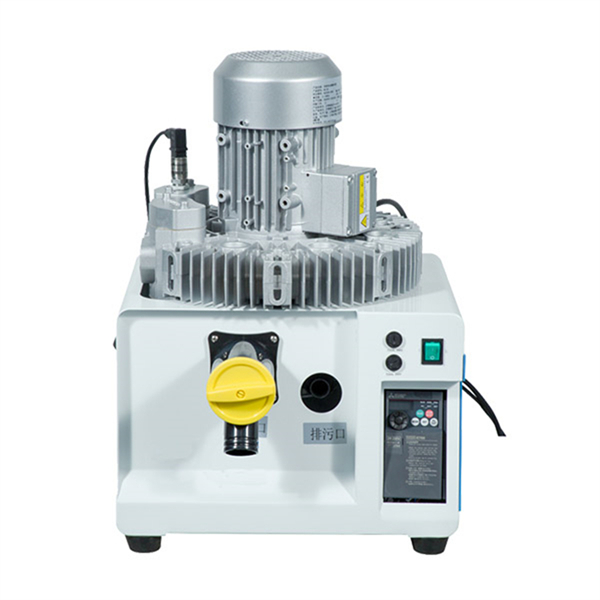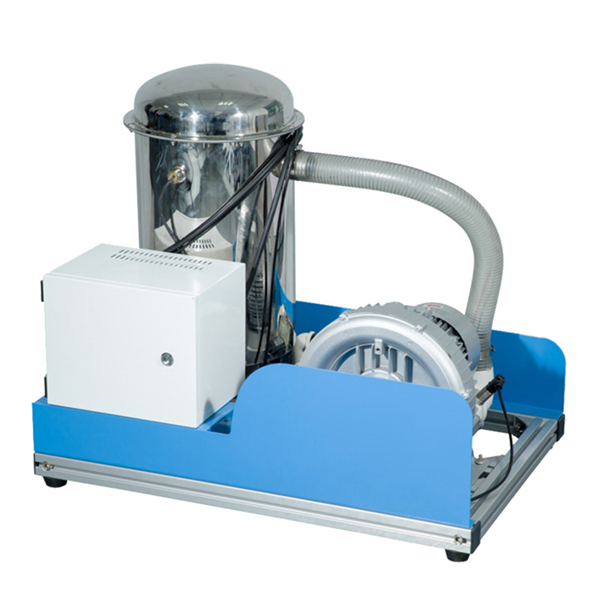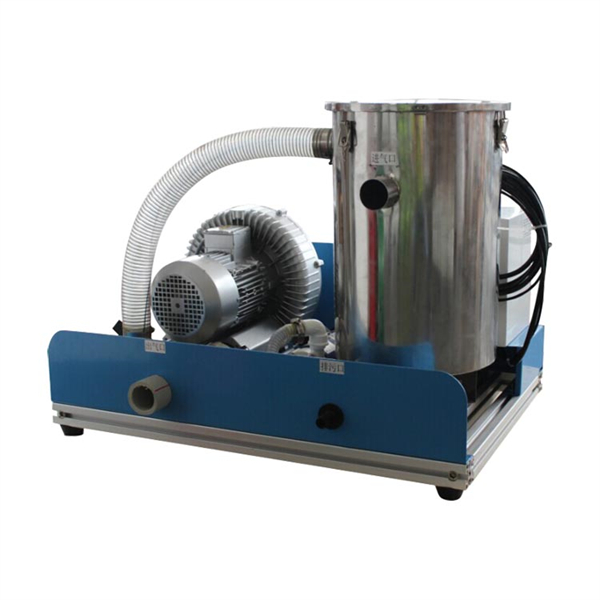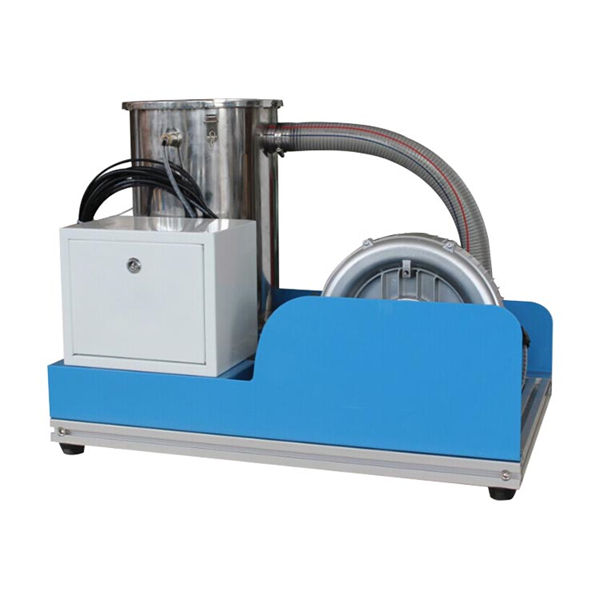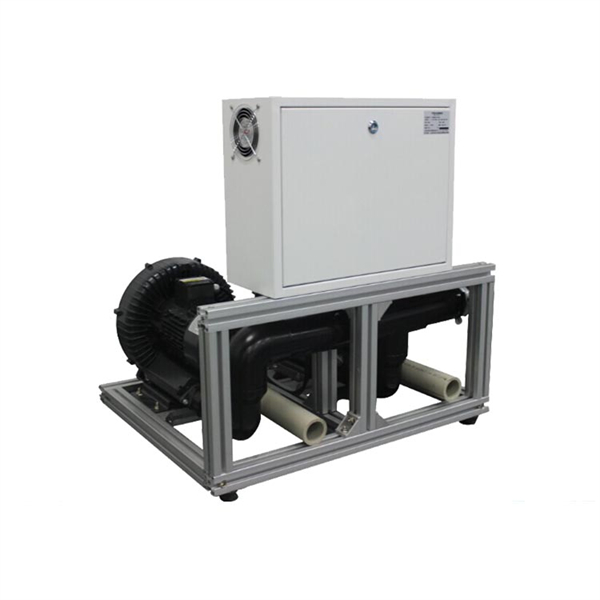
UMG manufactures dental suction units in Tangshan, China, for clinics, polyclinics and dental laboratories. The range is numbered by the number of dental chairs a unit can serve — from a single-chair unit up to a 50-chair central system — and two mobile models sit outside that sequence for rooms where a fixed installation is not possible. Eleven models in total, plus two mobile units.
The numbering is the useful part. A clinic that knows how many chairs it runs, and how many of them are in use at the busiest hour, can go straight to a model instead of comparing litres per minute across a catalogue. Everything below is organised around that one decision, and the figures quoted are the ones published on each model's own page.
Read the left column as the number of chairs drawing suction at the same time. A unit sized for three chairs will hold vacuum on three, not on ten that are installed but idle.
| Chairs | Model | Drive | Rated power |
| 1 | UM-M01 | Standard | 750 W |
| 2 | UM-M02 | Standard | on request |
| 3 |
UM-M03 standard drive |
Standard | on request |
| 3–5 |
UM-M03 variable frequency drive |
Variable frequency | on request |
| 5–7 | UM-M05 | Standard | 2,000 W |
| 8–10 | UM-M07 | Variable frequency | 2,600 W |
| 15 | UM-M10 | Variable frequency | on request |
| 15–20 | UM-M15 | Variable frequency | 5,500 W |
| 20–25 | UM-M20 | Variable frequency | 6,000 W |
| 50 | UM-M50 | Standard | on request |
| MOBILE |
UM-M300 / UM-M400 Moved to the chair, not plumbed in |
Mobile | 400 VA on UM-M400 |
Models marked on request are quoted with their full data sheet when the chair count is confirmed. UM-M03 appears twice because it is supplied in two configurations — one for exactly three chairs, one variable-frequency unit for three to five — and the pair are different machines despite sharing a number. Confirm which one a quote refers to before ordering.
A one-chair unit is normally fitted in a single-surgery practice or a second treatment room that is used part-time. The 5–7 and 8–10 chair models are the common choice for a group practice, and from 15 chairs upward the unit is specified together with the room it stands in, because the pipe run and the drain become part of the design rather than an accessory. The principles and maintenance of a dental suction device are covered separately for buyers who want the background before the model.
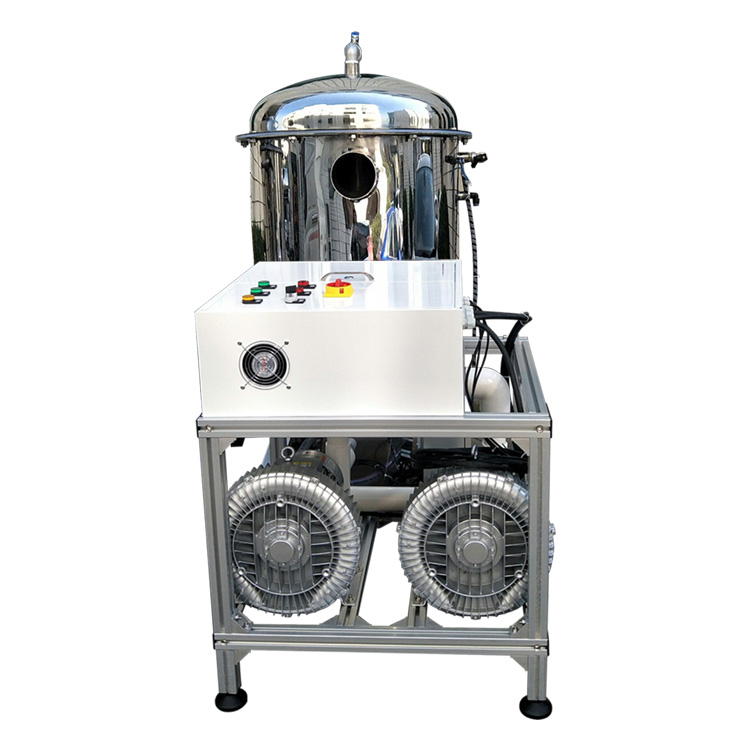
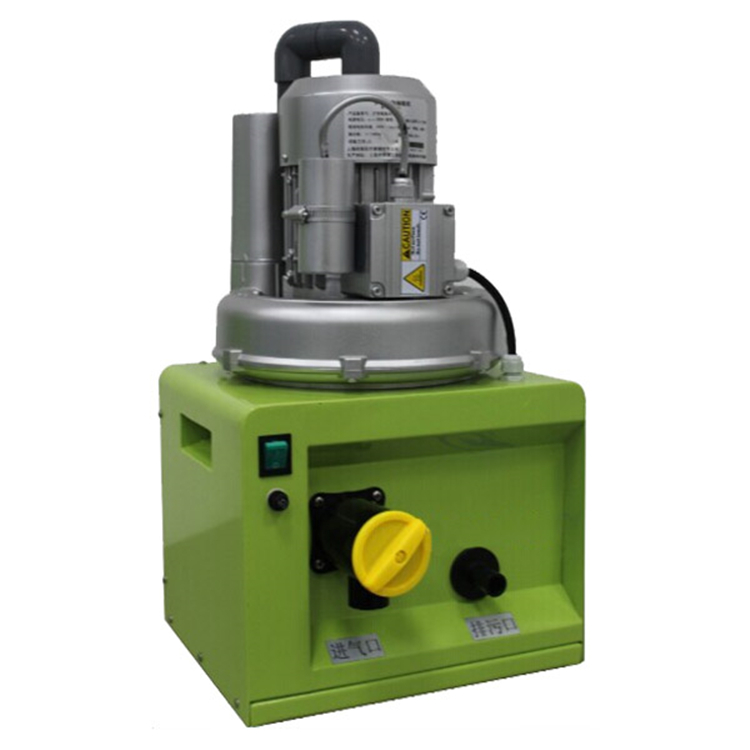
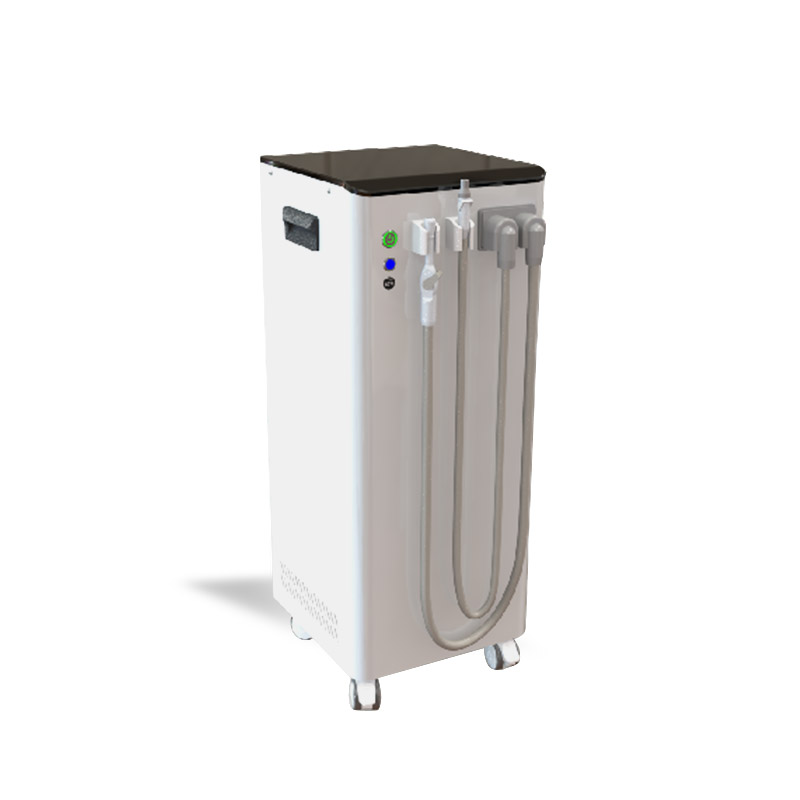
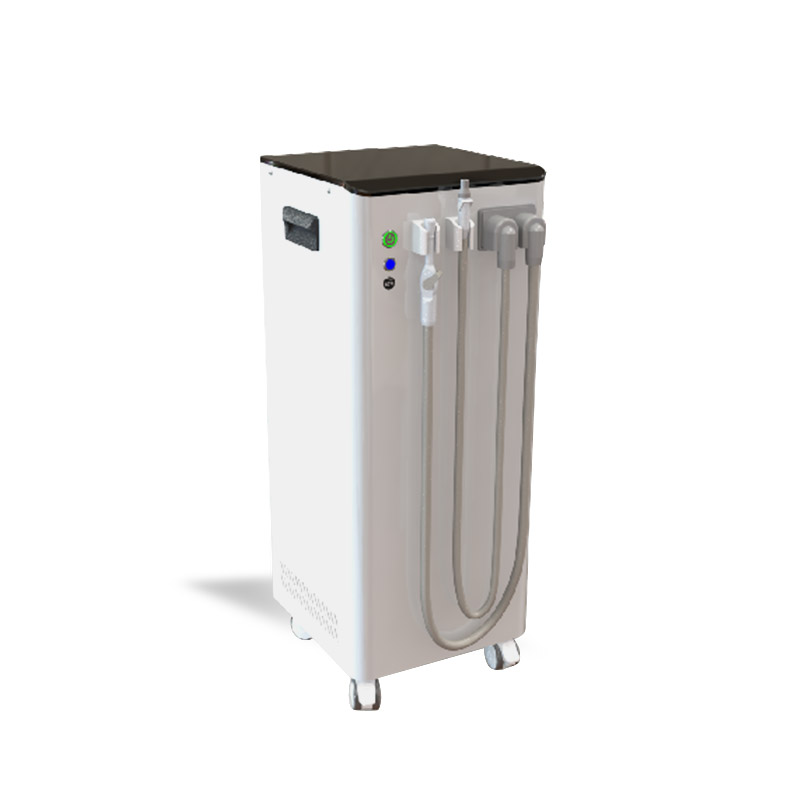
A dental suction unit does three jobs at once: it removes the spray, saliva and blood that would otherwise sit in the working field, it keeps the aerosol out of the room, and it separates the liquid from the air before either leaves the unit. A machine that does the first two and not the third is the reason a surgery smells of the drain by the end of the day. The sections below cover how the models differ, what the pipe connections have to be, and what has to be planned before a unit is specified into a room.
Two drives are offered across the range. A standard unit runs its motor at a fixed speed and holds vacuum through the pump and the separator; a variable-frequency unit drives the motor from an inverter, so the pump can run below full speed when fewer chairs are drawing suction. In a practice where two of eight chairs are in use for most of the morning, that difference is the reason to pay for the variable-frequency model — the unit is not working flat out to hold vacuum for chairs that are empty.
The variable-frequency models are UM-M03 (3–5 chairs), UM-M07 (8–10), UM-M10 (15), UM-M15 (15–20) and UM-M20 (20–25). Below three chairs and at the top of the range — the single-chair UM-M01, the three-chair UM-M03 and the 50-chair UM-M50 — the standard drive is used. The two drives share the same separator and drainage design, so the maintenance routine does not change with the model.
Both drives start and stop on demand: the motor is switched by the vacuum signal from the chair rather than left running between patients. That is what makes the automatic drainage and the automatic start-stop worth having in a room where the assistant is not standing next to the unit.
Everything from UM-M01 to UM-M50 is an installed unit: it is plumbed to the chairs, drained to the building, and it stays where it is put. The UM-M300 and UM-M400 are the exception. They are mobile negative-pressure units on castors, with their own separator and drainage bottle, and they are used where fixed plumbing does not exist — a temporary clinic, a second room that was not built for a chair, a treatment session that has to move.
| Installed unit (UM-M01 → UM-M50) | Mobile unit (UM-M300 / UM-M400) | |
| Where it stands | Service room or a dedicated corner, fixed to the floor or wall | Beside the chair, moved between rooms on castors |
| Connection | Piped to the chairs, drained to the building's waste line | Flexible hose to the chair, collection bottle on board |
| Chairs served | 1 to 50, depending on model | One chair at a time |
| Emptying | Automatic discharge through the drain line | Bottle emptied by hand between sessions |
| Suited to | A permanent surgery where the chair count is known | Temporary clinics, outreach work, a backup unit for a power or plumbing failure |
A mobile unit is not a smaller version of a central system — it is a different purchase. It removes the plumbing, and in exchange it asks for a bottle to be emptied and a hose to be managed at every session. That is a fair trade in a temporary setting and a poor one in a permanent surgery.
|
UM-M400 mobile unit: 400 VA, 450 L/min, collection bottle on board |
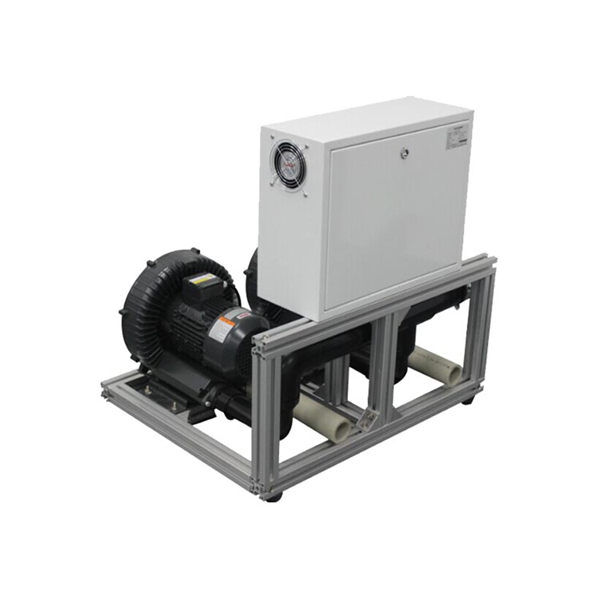 UM-M20 installed unit: 6,000 W for 20–25 chairs, drained to the building |
The figures below are the published ratings for five selected models, chosen because they cover the full span of the range — from the single-chair unit to the 15–20 chair machine, plus one mobile unit. Ratings for UM-M02, UM-M03, UM-M10, UM-M20 and UM-M50 are supplied with the quotation. Vacuum is quoted as a maximum negative pressure, and flow as litres per minute at that condition; the two are read together, because a unit that holds high vacuum at low flow is not the same machine as one that moves a large volume at moderate vacuum.
| Model | Chairs | Power | Max vacuum | Pump flow | Noise | Inlet pipe |
| UM-M01 | 1 | 750 W | ≥ −12 kPa | 300 L/min | 50 dB | 32 mm |
| UM-M05 | 5–7 | 2,000 W | ≥ −20 kPa | 2,100 L/min | 50 dB | on request |
| UM-M07 | 8–10 | 2,600 W | −20 kPa | 2,100 L/min | on request | 50 mm |
| UM-M15 | 15–20 | 5,500 W | −20 kPa | 4,500 L/min | on request | on request |
| UM-M400 | mobile | 400 VA | −12 kPa | 450 L/min | ≤ 60 dB | hose |
The UM-M07 uses a 50 mm inlet, a 63 mm outlet and a 20 mm sewage pipe; the UM-M01 uses 32 mm inlet and outlet with a 20 mm drain. Pipe sizes matter more than they look: a run that is undersized for the model will cost vacuum at the far chair, and no amount of extra motor power recovers it.
On an installed unit the separator and the sewage device are designed to be taken apart and refitted without tools, which is what makes routine cleaning possible in a working surgery. The unit still needs three things from the building: a drain at the correct diameter and a fall to it, ventilation for the motor, and a supply that matches the model — the UM-M05, for example, is quoted at 220–380 V, 50/60 Hz.
For systems above fifteen chairs, send the room plan with the chair positions. The pipe run decides the vacuum at the last chair, and the drain position decides whether the discharge can be automatic or has to be lifted. Both are simpler to settle before installation than after.
The suction line is the part of the equipment that carries the most biological material and gets the least attention. The solids collector is emptied and cleaned at the frequency the practice sets for its own workload, the line is flushed with an evacuation-system cleaner at the end of the day, and the low-volume line is disinfected between patients. The separator and the drainage bottle are cleaned as part of the same routine, not as a separate job. The suction device maintenance guide sets out the sequence; this page keeps to the equipment.
The model number gives the answer: UM-M01 serves one chair, UM-M05 five to seven, UM-M07 eight to ten, UM-M20 twenty to twenty-five, and UM-M50 fifty. Count the chairs that draw suction at the same time, not every chair installed in the building — a unit sized for the busiest hour is the one that holds vacuum.
The drive. A standard unit runs at fixed motor speed; a variable-frequency unit runs the motor from an inverter and can run below full speed when fewer chairs are in use. The vacuum at the chair is the same; what changes is how the unit behaves in a practice where demand rises and falls through the day.
Yes, on an installed model. The unit separates liquid from air and discharges the liquid through a drain line — 20 mm on the smaller models — so the room needs a drain connection with a fall to it. Mobile units carry their own collection bottle instead and are emptied by hand.
It can be used where there is no fixed plumbing, or as a backup when a central system is out of service. For a permanent surgery with several chairs, an installed model is the better purchase: it removes the bottle handling and gives automatic discharge.
Yes. Single units, mixed container loads and distributor orders are all quoted from the same factory, and a mixed order of suction units and air compressors ships as one consignment. Tell us the models, the voltages for your market and the quantity, and you will get one quote with the pipe sizes and the packing list.
Send the number of chairs, the busiest-hour count and whether the room has a drain and a service area, and we will confirm the model and the pipe sizes. Request a quotation for a dental suction unit.